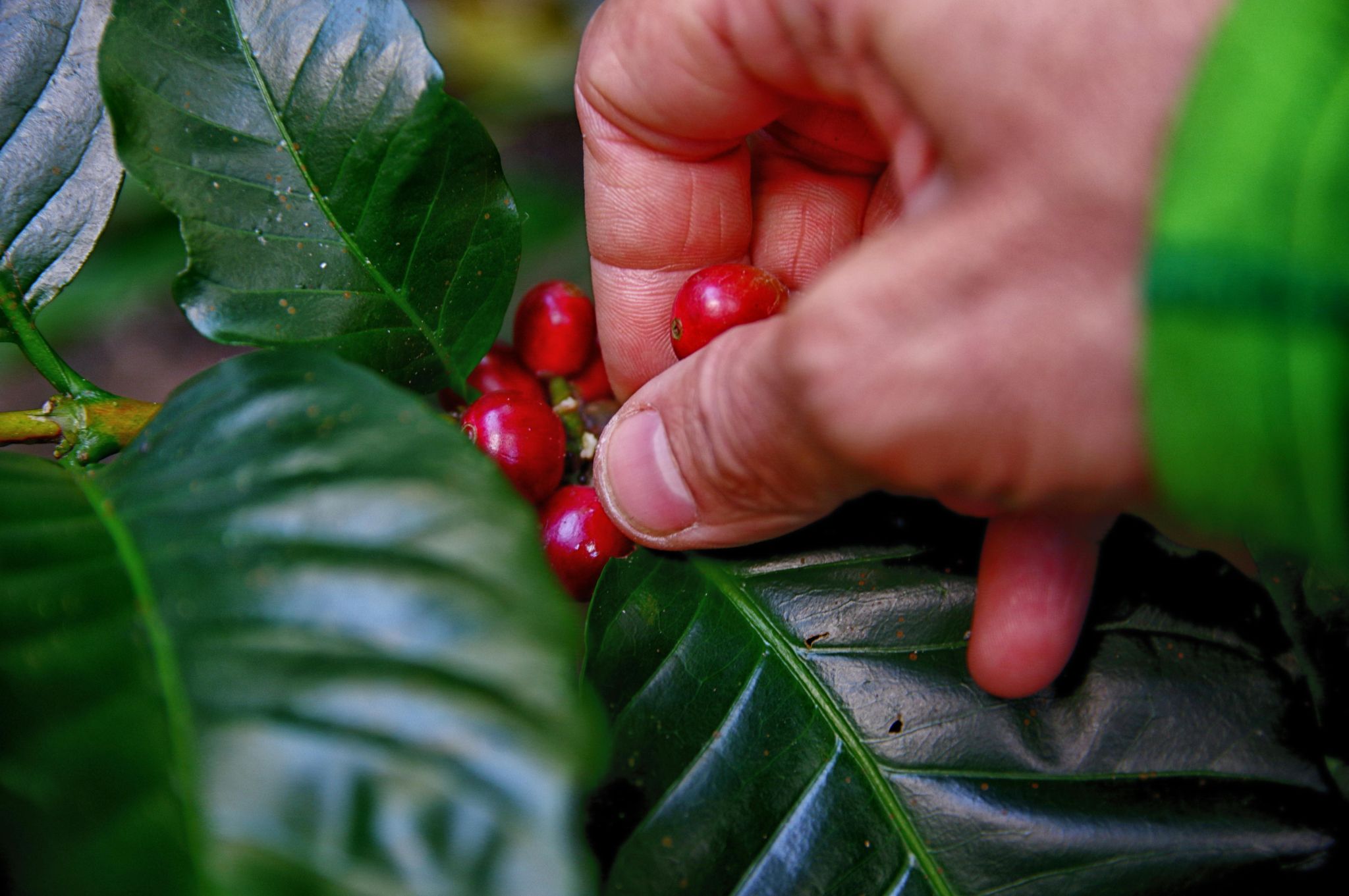
World Coffee News October, 24th
Fermentation Breakthroughs, Genetic Collaboration, and Rising Prices: This Week in Coffee
From scientific advances that turn “bad beans” into good ones, to global collaborations reshaping the future of coffee cultivation—and the continued rise of prices on the world market—this week’s coffee headlines highlight how innovation and economics are shaping the industry’s future.
New Research Shows Novel Fermentation Process Can Turn “Bad Beans” Into Specialty Coffee
A team of researchers in Brazil has discovered that a closed fermentation process can dramatically improve the quality of unripe coffee beans—raising them to specialty-grade standards.
Traditionally, beans picked too early—often the result of mechanical harvesting—are considered inferior. Immature beans tend to have uneven sugar content, limited flavor complexity, and astringent notes that reduce the overall quality of a coffee lot. Because of this, they’re usually sold at a lower price or discarded altogether.
However, new findings suggest that controlled anaerobic fermentation—a process that takes place in oxygen-free environments—can transform these underdeveloped beans. By managing variables like temperature, pH, and microbial activity, researchers found that fermentation can enhance aroma, sweetness, and mouthfeel, effectively masking the defects of unripe beans.
The result? Coffee that rivals or even exceeds the sensory profile of beans harvested at peak ripeness.
If adopted widely, this method could have major implications for producers. Farmers could earn higher prices for beans that would otherwise go to waste, improving profit margins and sustainability. For buyers and roasters, this innovation could lead to more consistent flavor profiles and reduced variability in coffee lots.
It’s yet another example of how post-harvest innovation is becoming one of the most important frontiers in the coffee supply chain—where science and craft meet to push flavor boundaries and economic potential alike.
🔗 Read more here: Daily Coffee News — Brazil Study Promotes Closed Fermentation to Boost Quality of Unripe Coffees
Global Coffee Research Network Wins TIME’s “Best Inventions” Recognition
A worldwide coalition of coffee scientists is earning international acclaim for their groundbreaking work in improving the resilience and quality of coffee plants.
Innovea, a research network made up of scientists from Latin America, Africa, and Asia, has been recognized by TIME Magazine as one of the year’s Best Inventions. The group’s mission: to develop new coffee varieties that are genetically stronger, higher-yielding, and more resistant to pests, disease, and climate change.
In an era where rising temperatures and unpredictable weather patterns are threatening coffee production across the globe, Innovea’s work couldn’t be more timely. Climate-related stressors—like droughts, fungal infections, and shifting growing regions—are making it harder for farmers to maintain consistent yields and quality.
Through collaboration and data-sharing, Innovea’s scientists are mapping the genetic code of coffee species and breeding hybrids that combine resilience with cup quality. Early results show promising improvements in both yield stability and sensory potential.
This kind of research marks a critical shift from regional experimentation to global cooperation. Rather than working in isolation, research centers and agricultural institutions are pooling expertise to tackle the challenges facing coffee as a whole.
For producers, that means future access to more robust, adaptable coffee varieties. For consumers, it could mean enjoying their favorite brews for decades to come—despite the mounting environmental pressures on the industry.
🔗 Read more here: Global Coffee Report — TIME Best Inventions Recognizes Global Coffee Program
More Bad News for Coffee Lovers as Prices Continue to Rise
While scientific progress is helping the coffee world innovate, the economics of coffee remain turbulent. Over the past year, the price of Robusta futures—regulated contracts used to buy and sell commodities at a fixed price in the future—has jumped by nearly 50%.
The main culprit: severe droughts in Vietnam, the world’s largest producer of Robusta coffee. Prolonged dry conditions have damaged blossoms, reduced yields, and forced many farmers to make difficult choices. In some regions, farmers are switching to alternative crops like durian, which are more profitable and less water-dependent.
This shift has further strained global supply, pushing prices higher for buyers and roasters. Since 99% of coffee consumed in the United States and much of Europe is imported, the ripple effects have been immediate—affecting everything from wholesale prices to the cost of a cappuccino at your local café.
Rising Robusta prices also have downstream effects. Many commercial blends and instant coffees rely heavily on Robusta beans for their strength and caffeine content. As costs increase, producers are forced to absorb the difference or pass it along to consumers, meaning higher prices across the board.
Despite some recent improvements in diplomatic relations between major coffee-producing nations and importers like the U.S., experts caution that the impact of climate change on coffee agriculture will continue to influence supply and pricing for years to come.
For now, coffee lovers may need to brace themselves—because the trend is still upward.
🔗 Read more here: Bloomberg — Global Food Roundup: Coffee Prices Are Rising on Shortages
A Complex Picture: Progress and Pressure in Coffee’s Future
The coffee industry finds itself in a delicate balance between innovation and instability. On one hand, scientists and farmers are developing new techniques—like closed fermentation and genetic research collaborations—that promise to make coffee more sustainable, flavorful, and resilient. On the other, environmental challenges and market volatility are threatening the livelihoods of those who grow it.
For coffee drinkers, that means every cup tells a story not just of craft and flavor, but also of science, struggle, and adaptation. The same forces that raise prices today may also push forward the innovations that define coffee’s future.
Photo Credit: Bayawe Coffee Nomad on Pexels